
Tips for Transitioning from Freelance to Full-Time Employment
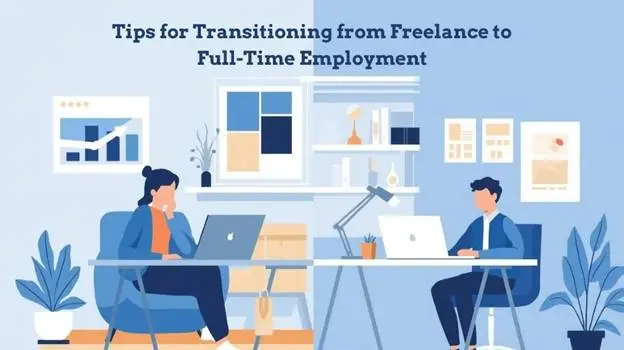

The shift from freelancer to full-time employee can be both thrilling and challenging. Having been used to being your own boss, managing your own time, and working on multiple projects simultaneously, the idea of a full-time job with a structured work environment and set hours can be pretty intimidating. However, for most freelancers, the shift to full-time employment can be an excellent opportunity to build stability and grow their careers in a specific area of interest.
At FxCareer.eu, we understand the intricacies of career paths, especially the transition from freelancer to full-time employee. This blog will provide you with the tips and strategies that you can use to ensure a smooth transition from being a freelancer to being a full-time employee, while at the same time leveraging your skills and experience to your advantage.
1. Understanding the Reasons for the Shift
Before you make any decision, it is essential to understand the reason for the shift from freelancer to full-time employee. Do you crave stability? Are you looking for career growth opportunities? Are you tired of being your own boss and handling every aspect of your career as a freelancer?
Understanding your motivations will help you transition smoothly. It will also help you with your job search and help you find the perfect job that fits your career aspirations. As you begin this new chapter in your career, you may be looking for a work environment that is team-oriented or that offers you the chance to lead. These self-reflective questions will help you make better decisions.
2. Leverage Your Freelance Experience
As a freelancer, you have a wide range of skills and experience working in different industries. From time management skills to communication skills and project management skills, your experience as a freelancer has prepared you for the full-time job industry. Be sure to highlight your experience as a freelancer in your resume and during your interviews.
For instance, you may have worked with diverse clients, demonstrated strong time management, and excelled at problem-solving. Potential employers in the Forex, Fintech, and other industries that recruit through FxCareer.eu will recognize these traits and appreciate your flexibility and adaptability.
To make the most of your freelance experience:
- Highlight the industries you’ve worked in.
- Focus on your achievements, such as helping a client grow their business or streamlining a process to improve efficiency.
- Include quantifiable results to show your value.
Freelancers are often independent workers with a strong ability to manage their workload and deliver results. This is an attractive quality for employers who need self-starters and problem-solvers.
3. Adjust to a New Work Structure
One of the most significant challenges for freelancers transitioning into full-time employment is adjusting to a set work schedule. As a freelancer, you likely enjoyed the freedom of creating your own hours and working from home or wherever you felt most productive. However, full-time employment typically comes with a 9-to-5 schedule, an office environment, and regular meetings.
Here’s how to adjust to this new structure:
- Set a New Routine: Start by setting a routine that mirrors a traditional workday. Try waking up at a set time each day, dressing as if you were going to an office, and sticking to a regular lunch break. This will ease the transition into a full-time job.
- Embrace Time Management: In your freelance career, you may have juggled multiple clients and projects. Now, managing your time effectively will be equally important. Be prepared to balance work tasks, team collaboration, and any other responsibilities your new job may require.
- Set Boundaries: Freelancers are often used to working late or over weekends to meet client demands. However, in a full-time role, it’s essential to set clear boundaries and avoid burnout. Stick to your working hours and prioritize work-life balance.
By adapting your mindset and daily routine, you’ll be able to ease into your new role without feeling overwhelmed.
4. Embrace Team Collaboration
Freelancers are accustomed to working alone, but one benefit of full-time employment is the opportunity to collaborate with others. This can be one of the most enjoyable aspects of your new job, as it allows you to build meaningful professional relationships, exchange ideas, and learn from your colleagues.
To make the most of your team environment:
- Communicate Openly: Full-time jobs often require close collaboration with coworkers, managers, and other departments. Be proactive in your communication and don’t be afraid to ask questions or offer suggestions. Teamwork is an essential skill that will help you succeed in your new role.
- Embrace Feedback: As a freelancer, you might not have received much feedback, but in a full-time job, feedback is often given regularly to help you improve and grow. Embrace this feedback as an opportunity to learn and refine your skills.
- Contribute to Team Projects: Take an active role and share your ideas or perspectives. Don’t hesitate to collaborate and share your expertise.
Being a team player will help you integrate smoothly into your new workplace and build strong professional relationships.
5. Update Your Skills and Knowledge
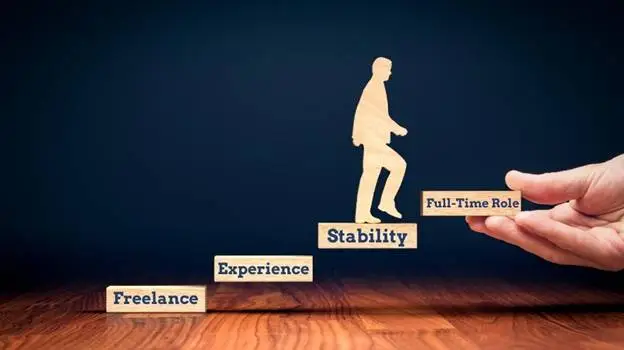
While freelancers are often well-versed in the areas they specialize in, full-time employment may require additional skills or knowledge, particularly if you’re transitioning into a new industry or a more specialized role. This is where platforms like FxCareer.eu can be a valuable resource. By searching for job openings and reading about the skill sets employers are looking for, you can identify any gaps in your knowledge and work on improving them.
Here’s how you can stay ahead:
- Stay Current with Industry Trends: The Forex and Fintech industries, for example, evolve rapidly. Make sure you’re up to date on the latest technologies, regulations, and trends in your field. Read blogs, attend webinars, or take courses to stay informed.
- Upgrade Technical Skills: If your new role requires proficiency with specific software or tools, take the time to learn and master them. Many job postings on platforms like eu list the technical skills required, allowing you to prepare in advance.
- Expand Your Professional Network: Full-time employment offers access to new networking opportunities. Attend industry events, conferences, and meetups to expand your professional network and increase your visibility.
By continuously learning and adapting, you’ll be more valuable to your employer and stay competitive in your field.
6. Prepare for the Financial Transition
As a freelancer, you may have had more control over your income, but with full-time employment, your salary will be fixed, and you may receive additional benefits like healthcare, paid time off, and retirement plans. This can be a big adjustment, especially if you’re used to the financial ebb and flow of freelancing.
To prepare for this financial shift:
- Plan Your Budget: Now that you’ll have a regular paycheck, it’s essential to create a budget that works for your new financial situation. This may include saving for retirement, adjusting your savings goals, and accounting for new work-related expenses.
- Understand Your Benefits: Full-time employment typically includes benefits such as health insurance, bonuses, and paid vacation days. Take time to understand your benefits package and how it affects your overall compensation.
- Be Prepared for a Shift in Taxation: As a freelancer, you were likely responsible for paying taxes quarterly. With full-time employment, taxes are typically withheld from your paycheck. Make sure you understand how this affects your take-home pay.
Being financially prepared for the change will help you transition smoothly and avoid any surprises down the road.
7. Search for Opportunities that Align with Your Freelance Experience
When seeking full-time jobs, it is essential to focus on roles that align with your freelance experience. Although it is tempting to take any job that offers stability immediately, you must find a job that still utilizes the skills you have developed.
FxCareer.eu is an excellent website for finding jobs related to your skills. If you are looking for employment in the Forex industry or other industries, you can find them on the website, filtered by the sector you are looking for. You can find jobs that align with your skills while still providing stability.
Here’s how to find the right fit:
- Search Based on Industry Experience: Focus on roles that require the skills you developed as a freelancer. If you’ve worked in marketing, communications, or project management, look for positions where you can apply those skills.
- Look for Flexibility: Some full-time positions offer flexible working hours or remote work options, allowing you to maintain some of the independence you enjoyed as a freelancer. Be sure to check the job descriptions for these benefits.
- Focus on Career Growth: Choose a company that offers opportunities for professional development, whether it’s through training programs, mentorship, or internal promotions. This will help you continue growing your career in your new full-time role.
By using resources like FxCareer.eu, you can find jobs that are a natural fit for your experience and goals.
8. Mentally Prepare for the Shift
Finally, the transition from freelance work to full-time employment is a significant mental shift. Freelancers often enjoy the independence of being their own boss, but full-time employment comes with its own set of challenges and rewards.
Mentally preparing for this shift is key to adjusting:
- Stay Positive: Acknowledge that the transition will take time. There will be ups and downs, but by staying positive and focusing on the benefits of your new role, you’ll adjust more easily.
- Be Patient with Yourself: The adjustment period can be difficult, but remember that it’s normal to feel overwhelmed or uncertain at times. Take it one step at a time and allow yourself the grace to learn and grow.

Conclusion
The transition from a freelancing lifestyle to a full-time job may be challenging, but with the right attitude and strategy, you can achieve this transition successfully. With the help of your previous experience from freelancing, you can establish a successful career in your new job.
FxCareer.eu is an excellent tool for finding the perfect job opportunities in the Forex and Fintech markets. This will ensure a smooth transition into your new job and open the door to a successful and exciting future.
Don’t forget to take advantage of the tools provided as you begin this new chapter of your career!

What Employers Really Mean by “Dynamic” and “Self-Starter”
If you have spent any time reading job ads, you have probably seen the same words appear again and again....
April 23, 2026

Top Certifications to Boost Your Resume in 2026
Employers in 2026 are seeking more than qualifications and job titles. They are seeking proof of your ability to get...
April 20, 2026

How to Use Data Analytics to Improve Your Recruitment Strategy
Recruitment has changed dramatically over the last few years. It is no longer enough to post a vacancy, collect applications,...
April 16, 2026