
Remote Hiring: Tips for Recruiting Virtual Team Successfully
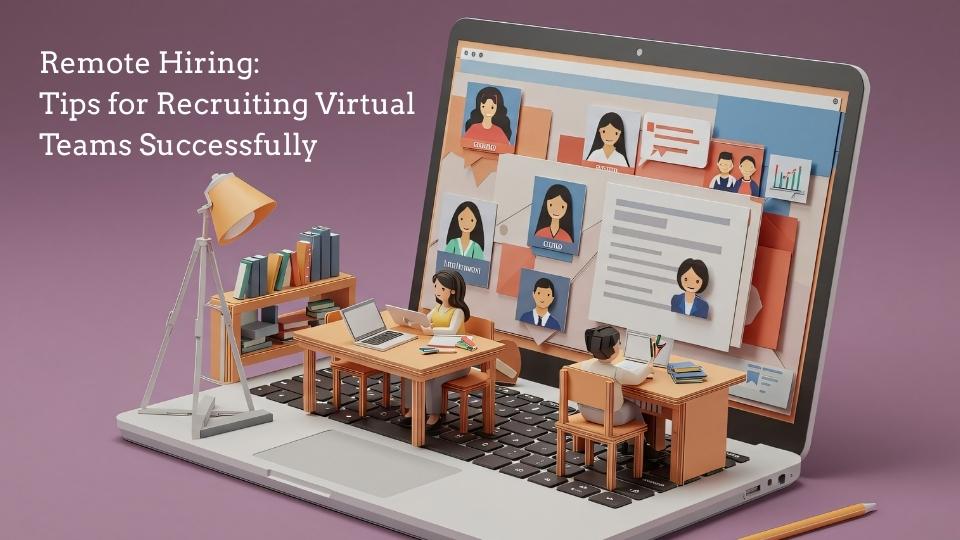

As businesses evolve to adapt to new technological advancements, the need for remote work has continued to soar. Remote hiring is a critical component of the modern business recruitment strategy. The benefits of remote teams, coupled with the cost savings of a global talent pool, have made them an attractive option for businesses. However, the process of remotely hiring teams is not without its challenges. At FxCareer.eu, we understand the intricacies of remote hiring and offer a service that helps businesses access the best talent in the Forex and Fintech space. In this blog, we shall discuss the critical tips for successful remote hiring teams.
1. Understand the Benefits and Challenges of Remote Hiring
Before diving into the recruitment process, it’s crucial to understand the benefits and challenges associated with remote hiring.
Benefits of Remote Hiring:
- Access to a Global Talent Pool: Remote hiring allows businesses to tap into a worldwide talent pool, ensuring they can hire the best candidates for their roles, regardless of location.
- Cost Savings: By hiring remotely, companies can reduce overhead costs associated with office space, utilities, and, in some cases, salaries, as remote workers may come from regions with lower living costs.
- Increased Flexibility: Remote teams often enjoy greater flexibility, which can lead to higher job satisfaction and productivity. It also allows businesses to hire employees in different time zones, ensuring that work can be done around the clock.
Challenges of Remote Hiring:
- Communication Barriers: Remote work requires clear and effective communication, which can be challenging when team members are spread across different locations, cultures, and time zones.
- Managing Team Dynamics: Building a cohesive team virtually can be difficult without face-to-face interactions. Ensuring that remote employees work well together and stay engaged is crucial.
- Technical Issues: Remote work is highly dependent on technology, and technical issues such as slow internet speeds or software problems can disrupt work.
- Maintaining Accountability: Without the structure of an office environment, managing and tracking the productivity of remote employees can be challenging. Trust and accountability are essential for remote teams.
By understanding both the benefits and challenges, you can better prepare yourself for the remote hiring process and set expectations accordingly.
2. Clearly Define Job Roles and Responsibilities
The first step in remote hiring is ensuring that job roles and responsibilities are clearly defined. Remote work demands a higher level of clarity and organization since remote employees may not have the luxury of asking colleagues for immediate clarifications in person.
Here’s how you can define job roles effectively:
- Write Detailed Job Descriptions: Clearly outline the role’s responsibilities, skills, and experience requirements. Be specific about the expectations, deadlines, and outcomes you expect from the employee.
- Set Performance Metrics: Define measurable goals and performance metrics. This will allow both the employee and the employer to track progress and success.
- Highlight Remote Work Expectations: Since the role is remote, it’s essential to outline expectations regarding communication, availability, work hours, and reporting structure. Some employees may be comfortable working in flexible time zones, while others may require a set schedule.
- Specify Tools and Technology: Remote employees will need to be familiar with specific tools, such as project management, communication, and time-tracking software. Clearly list these in the job description so candidates can assess their readiness for the role.
Being thorough in defining job roles helps avoid misunderstandings and ensures that both the employer and the employee are aligned from the beginning.
3. Use the Right Job Platforms
Finding the right job platforms to post your remote job openings is crucial to successfully recruiting virtual teams. When recruiting for remote positions, it’s essential to use platforms explicitly designed for remote or virtual roles.
FxCareer.eu is an excellent platform that offers job postings in the Forex and Fintech industries, connecting recruiters with top professionals. By leveraging the right job platforms, you increase the chances of attracting qualified remote candidates who are serious about working virtually.
4. Screen Candidates for Remote Work Competencies
When recruiting for remote positions, it’s essential to evaluate candidates not only for their technical skills but also for their ability to thrive in a remote work environment. Remote work requires self-discipline, communication skills, and the ability to work independently.
Here’s what to focus on during the recruitment process:
- Self-Motivation and Discipline: Remote employees must manage their time effectively and work autonomously. During the interview process, ask candidates how they manage time, stay focused, and overcome distractions.
- Communication Skills: Since remote work relies heavily on communication, assess the candidate’s ability to articulate their ideas clearly and to collaborate effectively virtually. This includes written communication, as remote workers often communicate via email, chat, or project management software.
- Technological Competence: Ensure that candidates are comfortable with the tools and software you use for remote work. Ask about their experience with project management tools (e.g., Asana, Trello), communication platforms (e.g., Slack, Zoom), and time tracking systems (e.g., Toggl).
- Problem-Solving and Adaptability: Remote work comes with its fair share of challenges. Test how candidates respond to unexpected issues, such as technical difficulties or last-minute changes to project scope.
A well-rounded candidate who possesses both technical expertise and remote work competencies will be more likely to succeed in a virtual team environment.

5. Conduct Virtual Interviews
Interviewing remote candidates presents its own set of challenges. Since you’re hiring a virtual team, conducting virtual interviews is the best way to simulate the remote work experience and assess how candidates communicate in a digital environment.
Here are some tips for conducting virtual interviews:
- Test the Technology: Before the interview, test the video conferencing software to ensure everything runs smoothly. Check for any potential issues, such as poor audio or video quality.
- Use Video Interviews: Video interviews are essential for evaluating communication skills, body language, and overall professionalism. Encourage candidates to join the interview via video to simulate a real working environment.
- Ask Remote-Specific Questions: During the interview, ask candidates about their experience working remotely, how they handle distractions, and how they collaborate with virtual teams. These questions will give you insights into their remote work capabilities.
- Assess Cultural Fit: Remote teams often have diverse backgrounds, so it’s essential to determine whether candidates will fit the company’s culture. Ask questions that allow candidates to demonstrate how they align with your company’s values, even when working remotely.
Virtual interviews are an excellent way to evaluate how candidates will handle remote work dynamics and whether they are a good fit for your virtual team.
6. Onboard Your Remote Team Effectively
Effective onboarding is crucial for setting remote employees up for success. Unlike in-office onboarding, remote onboarding requires a well-structured plan to ensure new hires feel welcome, supported, and well-equipped to perform their jobs.
Here are some best practices for remote onboarding:
- Provide Clear Documentation: Ensure remote employees have access to comprehensive documentation, including company policies, role-specific guides, and standard operating procedures. This will help them get up to speed quickly and understand their responsibilities.
- Introduce Your Team Virtually: Create opportunities for new hires to meet their colleagues via virtual introductions or team meetings. This helps build relationships and establishes a sense of belonging, even in a virtual environment.
- Offer Ongoing Support: Provide remote employees with resources, such as access to mentors or regular check-ins, to ensure that they have the support they need to succeed. This will help them stay engaged and productive.
- Foster a Collaborative Environment: Encourage collaboration with tools such as Slack, Zoom, or Microsoft Teams. Create virtual spaces where employees can communicate, share ideas, and support each other.
A well-planned onboarding process can set the tone for a successful remote work experience and help new hires integrate seamlessly into your virtual team.
7. Foster a Strong Remote Work Culture
Building and maintaining a strong remote work culture is key to long-term success. A strong culture helps remote employees feel connected to the company’s mission, vision, and values, which leads to higher job satisfaction and retention.
To foster a remote work culture:
- Encourage Regular Communication: Set expectations for regular communication through team meetings, one-on-ones, and project updates. Make sure employees have multiple channels to connect.
- Promote Work-Life Balance: Encourage employees to maintain a healthy balance between work and life by setting boundaries and avoiding burnout. Remote work can blur the lines between personal and professional life, so it’s essential to promote balance.
- Recognize Achievements: Celebrate individual and team accomplishments, whether through virtual shout-outs, recognition programs, or company-wide updates. Recognition helps build morale and fosters a positive work environment.
By nurturing a strong remote work culture, you can build a cohesive, productive virtual team that thrives in a flexible work environment.
8. Monitor Performance and Provide Feedback
Lastly, remote teams require ongoing performance management. Without in-person supervision, it’s essential to monitor progress and provide regular feedback to ensure remote employees stay on track.
- Set Clear Expectations: From the beginning, clearly outline performance expectations, including key performance indicators (KPIs) and deadlines. This ensures that everyone knows what success looks like.
- Track Progress Using Tools: Use project management tools to monitor task and project progress. Tools like Asana, Jira, or Trello can help you assign tasks, set deadlines, and monitor progress in real-time.
- Provide Constructive Feedback: Regularly provide constructive feedback to help remote employees improve and grow. Virtual check-ins can be an opportunity to discuss challenges and set new goals.
By actively managing performance, you can ensure that remote employees remain productive, motivated, and aligned with company objectives.

Conclusion
By hiring remote staff, businesses can create diverse, flexible, and highly skilled teams. However, this requires proper planning, effective communication, and the right tools.
We at FxCareer.eu recognize the need to bring the best talent to the right opportunities in the Forex and Fintech industries. With the tips on remote hiring, you can create a highly productive virtual workforce that will help your business thrive in the coming years. By using remote hiring, your business can access the best talent and build a thriving, connected workforce.

5 Red Flags to Watch for in a Job Offer
Receiving a job offer is exciting. After searching, applying, interviewing, and waiting for feedback, it can feel like a major...
June 8, 2026

How to Make a Great First Impression in the Workplace: Expert Tips for Success with FxCareer
The first impression you make in the workplace is often the most lasting one. Whether you’re starting your first job...
June 4, 2026

How to Negotiate a Job Offer Like a Pro: Expert Tips for Success with FxCareer
Congratulations! You’ve just received a job offer, and it’s an exciting moment in your career. However, before you sign on...
June 1, 2026