
How to Integrate Email Marketing with Your CRM for Better Results

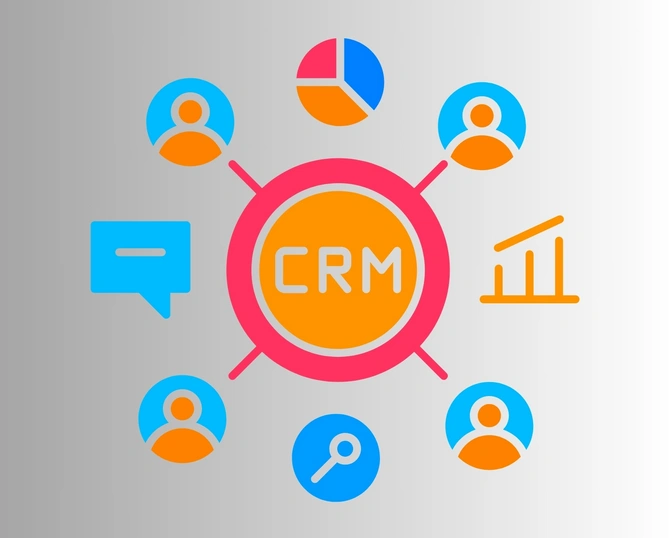
In today’s competitive digital landscape, integrating your email marketing efforts with your Customer Relationship Management (CRM) system is a smart strategy for boosting engagement and driving sales. Combining these tools allows you to leverage customer data more effectively, personalize communication, and streamline marketing processes. Here’s how to integrate email marketing with your CRM for better results.
Understand the Benefits of Integration
Integrating your email marketing platform with your CRM provides a unified view of customer interactions. This connection helps marketers send targeted, timely emails based on real customer behaviors, preferences, and purchase history. It also enhances lead nurturing, improves segmentation, and provides actionable insights through shared analytics.
Choose Compatible Platforms
Start by selecting email marketing and CRM platforms that are compatible or offer built-in integrations. Popular combinations include Mailchimp with Salesforce, HubSpot’s all-in-one platform, or ActiveCampaign with various CRM solutions. Ensure the integration supports real-time data syncing to keep your contact lists and customer information up-to-date.
Sync Customer Data Seamlessly
Integration enables automatically syncing customer data, such as contact details, purchase history, and engagement metrics between your CRM and email platform. This eliminates manual data entry, reduces errors, and saves time. It also ensures that email campaigns target the right audience segments with the most relevant content.
Leverage Segmentation and Personalization
Use CRM data to create dynamic email segments based on demographics, behavior, and sales funnel stages. Personalize emails with customer names, past purchases, or preferences to increase open and click-through rates. Personalized emails foster stronger connections and improve conversion rates.
Automate Email Workflows
Integration allows you to set up automated email workflows triggered by CRM events. For example, send welcome emails to new leads, follow-ups after purchases, or re-engagement campaigns to inactive customers. Automation nurtures leads efficiently and delivers timely messages that guide prospects through the buyer’s journey.
Monitor and Analyze Performance
With integrated analytics, track campaign performance alongside customer data. Analyze how email interactions impact sales pipelines, customer retention, and lifetime value. Use these insights to optimize your messaging, targeting, and timing.
Conclusion
Integrating email marketing with your CRM transforms disconnected tools into a powerful, cohesive system. This synergy improves targeting, personalization, and automation, leading to higher engagement and better business outcomes. For businesses aiming to maximize their marketing efforts, seamless integration is no longer optional—it’s essential.
#EmailMarketing #CRM #MarketingAutomation #CustomerEngagement #DigitalMarketing #Sales #LeadNurturing

HR Jobs in Limassol in 2026
A Comprehensive Guide to Hiring Demand and CV Tips Human resources is no longer the team that only manages onboarding...
September 21, 2026

Sales Recruitment in Cyprus in 2026
A Comprehensive Guide to Hiring BD, Account Management and Retention Talent A commercial hire can change the pace of an...
September 21, 2026

Why International Fintech Companies Choose Cyprus
Cyprus: A Growing European Fintech Destination Over the past decade, Cyprus has developed into one of Europe’s most attractive destinations...
September 17, 2026