
How to Conduct an Effective Interview: Best Practices for Recruiters
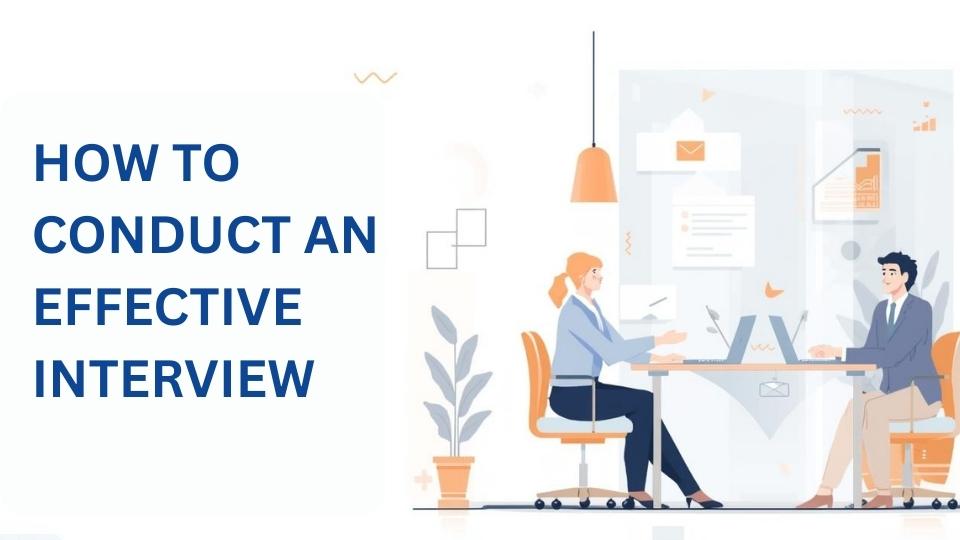

The interview is one of the most essential parts of the hiring process. It is the time when you, as a recruiter, interact with the candidate and assess whether they are a good fit for the position. It is also the time to determine if the candidate is a good fit for your company’s culture and values. However, conducting an interview is not as simple as asking a few questions and making a snap judgment. To ensure you hire the best candidate, follow best practices that facilitate a good conversation, allow you to assess the candidate’s skills, and help you make a good impression.
FxCareer.eu is a company that specializes in connecting top talent with top companies in the Forex and Fintech industries. Our website is a valuable tool that will help recruiters make the most of the hiring process. However, it is still up to you, as a recruiter, to make the most out of the interview. In this blog, we will discuss best practices for recruiters conducting interviews to help you make the right hiring decision for your company.
1. Prepare Thoroughly Before the Interview
Preparation is essential to conducting an effective interview. By spending time in preparation, you’ll be able to conduct a structured interview, which will allow you to objectively assess the candidates without wasting time on irrelevant issues. Here’s how to prepare effectively:
1.1 Review the Candidate’s Resume and Application
Before you conduct an interview, it’s crucial to review the candidates’ applications, resumes, or cover letters. By examining these applications, you’ll be able to know some of the qualifications, skills, and experience that the candidates possess, which can be crucial in determining whether they’re a good fit for the position.
1.2 Create a Structured Interview Plan
Conducting a structured interview is crucial to ensuring an effective interview and avoiding time wasted on irrelevant issues. To conduct a structured interview, you’ll need to start by determining the skills, abilities, and experience required in the position. Then, you’ll need to prepare a list of questions to be asked during the interview to ensure you’re able to gauge these qualities in the candidates.
For instance, if you’re looking to hire someone to work in Forex or Fintech, you’ll need to ask questions to determine the skills, abilities, and experience required in these fields. You can also consider hiring through FxCareer.eu to ensure you’re hiring someone with the right skills to match the requirements in these fields.
1.3 Prepare Behavioral and Situational Questions
Behavioral and situational questions are essential for evaluating how a candidate will perform in real-world scenarios. These questions focus on past experiences and how candidates have responded to challenges or succeeded in certain situations. For example:
- “Tell me about a time when you had to solve a complex problem at work. How did you approach it?”
- “How would you handle a situation where you disagree with a team member’s approach to a project?”
These types of questions can help you assess a candidate’s problem-solving skills, communication, and ability to work under pressure.
2. Create a Comfortable and Welcoming Environment
Interviews can be nerve-wracking, especially for candidates unfamiliar with the process. To ensure that the interview goes smoothly, create an environment where the candidate feels at ease and is encouraged to open up. Here’s how:
2.1 Build Rapport
Start the interview with a friendly greeting and a few small talk questions to break the ice. This doesn’t need to be overly personal, but it can include questions like “How was your journey here?” or “I see you’ve worked with some interesting companies; tell me more about that.” This helps the candidate relax and establishes a more conversational tone.
2.2 Set Expectations
At the beginning of the interview, explain the structure to the candidate. Let them know the types of questions you’ll be asking, how long the interview will take, and when they can expect to hear back from you. Setting these expectations reduces anxiety and ensures the candidate understands what to expect.
2.3 Be Present and Attentive
During the interview, give the candidate your full attention. Avoid distractions like checking your phone or typing excessively. Make eye contact, nod to show you’re engaged, and actively listen to their answers. Active listening not only helps build rapport but also enables you to ask more thoughtful follow-up questions.

3. Ask the Right Questions
Asking the right questions is at the heart of an effective interview. Your questions should be designed to assess the candidate’s qualifications, skills, experience, and cultural fit. Here are the different types of questions you should incorporate into your interviews:
3.1 Competency-Based Questions
Competency-based questions are designed to evaluate how candidates have demonstrated key skills in their previous roles. These questions often start with phrases like “Give me an example of” or “Describe a time when.” For example:
- “Can you provide an example of a time when you successfully managed multiple tasks under tight deadlines?”
- “Tell me about a time when you handled a challenging client. How did you manage the relationship?”
These questions help you assess how well the candidate can perform the role’s required tasks.
3.2 Behavioral Questions
Behavioral questions focus on how a candidate behaves in certain situations. These questions help you understand how they handle conflict, work with teams, or adapt to change. Examples include:
- “Tell me about a time when you had to collaborate with a team to meet a deadline.”
- “How do you prioritize tasks when you’re under pressure?”
Behavioral questions provide insight into the candidate’s soft skills and their ability to thrive in the workplace.
3.3 Cultural Fit Questions
Cultural fit is an essential aspect of a successful hire. To assess if a candidate will thrive in your company’s environment, ask questions that give you insight into their values, work style, and approach to teamwork. For example:
- “What type of work environment do you thrive in?”
- “How do you handle feedback from colleagues or managers?”
The answers to these questions help ensure that the candidate aligns with your company’s culture and values.
3.4 Situational Questions
Situational questions are designed to gauge how candidates would respond to hypothetical scenarios. These questions help you evaluate their problem-solving, decision-making, and critical thinking abilities. For instance:
- “If you were given a project with conflicting deadlines, how would you manage the situation?”
- “If you disagreed with a team member on an approach to a project, how would you handle it?”
Situational questions provide valuable insights into how candidates think and how they would handle real-world challenges.
4. Evaluate Soft Skills and Emotional Intelligence
In addition to technical skills, soft skills and emotional intelligence (EQ) play a vital role in determining a candidate’s success in a role. Assessing these qualities is crucial, especially for roles that require teamwork, leadership, or communication. Here’s how you can evaluate these skills during the interview:
4.1 Assess Communication Skills
Effective communication is essential for success in most roles. Pay attention to how clearly candidates articulate their thoughts and how well they listen to your questions. Do they provide thoughtful, concise answers? Are they able to explain complex concepts in simple terms? A candidate’s communication skills can indicate how they will interact with colleagues, clients, and stakeholders in the future.
4.2 Gauge Problem-Solving and Critical Thinking
Look for candidates who demonstrate strong critical thinking and problem-solving skills. Ask follow-up questions to dig deeper into their thought process when describing past experiences. Evaluate whether they can break down complex problems into manageable parts and make decisions based on data and facts.
4.3 Evaluate Adaptability and Resilience
The ability to adapt to change and remain resilient in the face of challenges is key to thriving in today’s fast-paced work environments. Ask candidates how they’ve handled unexpected changes or setbacks in the past and how they managed stress or uncertainty. Candidates who are adaptable and resilient are more likely to succeed in dynamic roles.
4.4 Assess Emotional Intelligence
Emotional intelligence is the ability to recognize, understand, and manage one’s own emotions, as well as the feelings of others. Candidates with high EQ tend to be better at conflict resolution, collaboration, and leadership. Ask questions like:
- “Tell me about a time when you had to manage a conflict within your team. How did you approach it?”
- “How do you handle feedback that is critical of your work?”
5. Take Notes and Score Candidates
During the interview, it’s essential to take notes to help you remember key points and evaluate candidates objectively later. While you may not be able to jot down everything, note down important details such as:
- The candidate’s responses to critical questions
- The candidate’s strengths and weaknesses
- Their communication style and overall demeanor
You can also score candidates on different competencies using a simple scale (e.g., 1-5). This can help you evaluate candidates more systematically and ensure that you’re comparing them fairly.
6. Allow Candidates to Ask Questions
An interview should be a two-way conversation. Allowing candidates to ask questions will help you assess their interest and engagement. It also helps them gain a better understanding of the role and your company. Some questions to expect from candidates might include:
- “What are the biggest challenges in this role?”
- “How would you describe the company’s culture?”
- “What opportunities for growth and development are available?”
By answering these questions openly, you build trust and demonstrate transparency in your hiring process.
7. End the Interview on a Positive Note
By ending the interview on a positive, professional note, you can leave a lasting impression on the candidate, regardless of the outcome. It is essential to thank the candidate for their time and let them know the next steps in the interview process. This way, the candidate will always feel valued throughout the interview process.

Conclusion
It is important to note that conducting a successful interview is a skill that requires practice and a structured approach. By considering the importance of communication and the right questions to ask during the interview process, you can ensure you make the best hiring decisions. At FxCareer.eu, we recognize the importance of hiring the best candidates. By applying the best practices discussed above, you will conduct successful interviews that yield the best hires and a successful organization.
By considering the best practices discussed above, you will be able to hire with confidence, knowing that you have conducted a successful interview process that has given the candidate the best opportunity to succeed.
5 Essential Skills Every Recruiter Should Master in 2026
Recruitment in 2026 is no longer just about filling vacancies. It is about understanding people, using technology wisely, building trust,...
April 2, 2026
Top Questions to Ask During a Job Interview
In most cases, an interview is considered a one-way evaluation in which the employer assesses candidates and determines their suitability...
March 30, 2026

How to Navigate a Career Change Successfully
One of the most critical decisions a person faces in their professional journey is a career change. Whether the reason...
March 26, 2026