
What Employers Really Want from Cover Letters
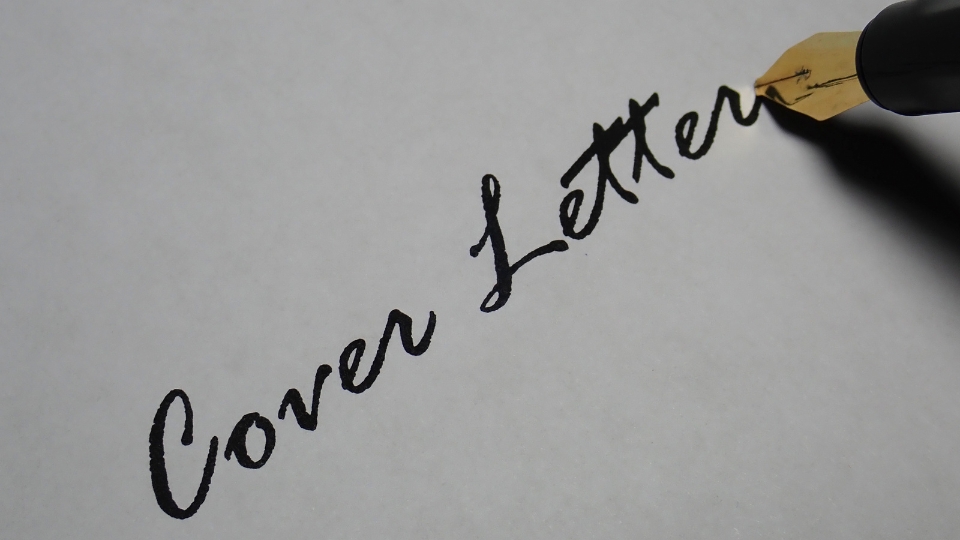

In today’s competitive job market, your cover letter is often the first point of contact between you and a potential employer. While resumes are typically a list of your qualifications, experience, and skills, the cover letter provides an opportunity to show your personality, enthusiasm, and fit for the role. However, many job seekers fail to craft effective cover letters that resonate with employers. Understanding what employers really want from cover letters can give you a significant edge in your job search.
This blog post will explore what employers are looking for in cover letters and how you can tailor yours to stand out from the crowd. Whether you’re applying for your first job or looking to make a career switch, learning how to write a compelling cover letter can significantly improve your chances of landing an interview.
Introduction: The Purpose of a Cover Letter
Before diving into what employers want from a cover letter, it’s important to understand the purpose of this document. The cover letter is an essential part of the job application process, allowing you to introduce yourself to the employer and explain why you are the best fit for the job.
While resumes provide the technical details of your qualifications, a cover letter allows you to:
- Demonstrate your enthusiasm for the position and company.
- Showcase your personality and how it aligns with the company’s culture.
- Explain why you’re the right fit for the role based on your skills and experiences.
- Provide context for any gaps or changes in your career trajectory.
In short, a well-written cover letter can allow you to present a narrative about why you’re not just another applicant, but the ideal candidate for the job.
1. Clarity and Focus: Get Straight to the Point
One of the most important things employers look for in a cover letter is clarity. They don’t have time to read long, rambling paragraphs that don’t get to the point. Your cover letter should be concise, clear, and focused on the key aspects of the job and your suitability for it.
Why It’s Important:
Employers often receive numerous applications for a single role and need to determine whether your qualifications align with their needs quickly. A cover letter that is too lengthy or unfocused can make it harder for employers to assess your potential.
How to Do It:
- Start with a strong opening sentence that immediately conveys your enthusiasm for the role.
- Highlight the key skills and experiences that make you a good fit for the job early in the letter.
- Keep the letter to one page and use bullet points if necessary to make key points stand out.
Example:
“I am excited to apply for the marketing manager position at [Company Name]. With over five years of experience managing marketing campaigns in the tech industry, I believe my skills in digital marketing, data analysis, and brand strategy would make me an excellent addition to your team.”
2. Personalization: Tailor the Cover Letter to the Company and Role
Employers are looking for cover letters that are tailored to the specific role and company. Generic cover letters that use a one-size-fits-all approach don’t leave a strong impression. Personalizing your cover letter shows that you’ve researched the company and are genuinely interested in the opportunity.
Why It’s Important:
A personalized cover letter demonstrates that you’re taking the application process seriously and that you’ve done your homework. It shows that you understand the company’s values, culture, and mission, and that you’re excited to contribute to its success.
How to Do It:
- Address the letter to a specific person if possible (e.g., “Dear Mr. Smith” instead of “To Whom It May Concern”).
- Mention the company’s values, recent projects, or industry standing and explain why these resonate with you.
- Explain how your specific skills align with the company’s needs.
Example:
“I was particularly drawn to your company’s commitment to sustainability, as seen in your recent initiative to reduce carbon emissions. As someone who has worked on green marketing strategies for environmentally conscious brands, I am eager to help your team promote these efforts to a wider audience.”
3. Enthusiasm and Passion: Show That You’re Excited About the Role
Employers want to see passion in your cover letter. A well-crafted letter should convey your genuine enthusiasm for the job and your excitement about joining the company. Employers are more likely to consider candidates who show energy and enthusiasm about the opportunity.
Why It’s Important:
Passionate candidates are often seen as more motivated, proactive, and eager to contribute to the organization. Employers value enthusiasm because it shows that you’re genuinely interested in the job, not just looking for any job.
How to Do It:
- Express your excitement about the company and role early on in your letter.
- Share specific aspects of the job or company that appeal to you.
- Use positive, energetic language to convey your enthusiasm.
Example:
“I have been following your company for several years and have always been impressed by your innovative approach to healthcare technology. I am thrilled at the opportunity to contribute my skills to such an inspiring and forward-thinking organization.”
4. Specificity: Provide Examples of Your Achievements and Impact
Employers want to see that you don’t just talk the talk but can walk the walk. Instead of making vague claims about your abilities, use your cover letter to provide specific examples of your achievements and how you’ve contributed to past employers or projects.
Why It’s Important:
Specific examples help employers understand the tangible value you can bring to the role. They demonstrate that you have a proven track record of success and can apply your skills to deliver real results.
How to Do It:
- Quantify your achievements whenever possible. Use numbers, percentages, or concrete outcomes to highlight the impact you’ve made.
- Focus on achievements that are directly relevant to the job you’re applying for.
Example:
“In my previous role as a project manager, I successfully led a team of 10 to complete a software development project ahead of schedule, resulting in a 20% increase in client satisfaction and a 15% increase in revenue for the company.”
5. Demonstrate Knowledge of the Company and Industry
Employers appreciate candidates who are informed about the company and the industry in which it operates. Demonstrating understanding of the company’s goals, challenges, and industry trends can help you stand out as a proactive, knowledgeable candidate.
Why It’s Important:
Demonstrating knowledge of the company and industry shows that you’re serious about the role and have a clear understanding of how your skills fit within the organization’s objectives. It also highlights your research skills and your ability to stay up to date on industry trends.
How to Do It:
- Reference the company’s goals, values, or recent news in your cover letter.
- Discuss industry trends or challenges and how your skills can help address them.
Example:
“I understand that your company is expanding into new international markets, and I believe my experience in global business development will be instrumental in helping you achieve this growth. In my previous position, I led market entry strategies that resulted in a 25% market share increase in the European region.”

6. Address Gaps or Career Changes (If Necessary)
If you have gaps in your employment history or are making a career change, it’s essential to address these issues in your cover letter. Employers want to know the reasons behind any career changes or employment gaps, and it’s better to address them head-on than leave them to speculation.
Why It’s Important:
Addressing gaps or career changes upfront demonstrates transparency and helps reassure the employer that you’re committed to the new role. It also gives you the chance to explain how your past experiences make you an excellent fit for the job, even if they’re not directly related.
How to Do It:
- Be honest but concise about the gap or career change.
- Focus on the transferable skills or lessons you’ve learned that make you a strong candidate for the job.
Example:
“After taking time off to care for a family member, I am eager to return to the workforce and apply the leadership, organizational, and communication skills I developed during my time off. I am confident that my previous experience in project management will make me a valuable addition to your team.”
7. Professional Tone and Proofreading
While it’s important to be personable and enthusiastic, your cover letter should maintain a professional tone throughout. Employers want to see that you can communicate effectively and professionally in writing. Typos, grammatical errors, or overly casual language can hurt your chances.
Why It’s Important:
A well-written cover letter reflects your attention to detail and professionalism. It’s a chance to demonstrate your communication skills, which are vital in most roles.
How to Do It:
- Use formal language and avoid slang.
- Proofread your cover letter multiple times to ensure there are no errors.
- Ask someone else to review it for clarity and readability.
Example:
“I would welcome the opportunity to discuss how my background, skills, and passions align with the needs of your team. Thank you for considering my application, and I look forward to hearing from you soon.”

Conclusion: Crafting a Cover Letter That Stands Out
Your cover letter is your chance to make a lasting first impression on a potential employer. By focusing on clarity, personalization, enthusiasm, specificity, and professionalism, you can create a cover letter that not only stands out but also increases your chances of landing the job. Remember, employers want a cover letter that demonstrates why you’re the perfect fit for the role, and with the right approach, you can craft a letter that showcases your skills, experience, and personality.
By tailoring each cover letter to the specific job and company, you show employers that you are genuinely interested in the position and understand what they’re looking for. A great cover letter, combined with a well-written resume, can be the key to opening doors to new career opportunities.

Why Cultural Fit Is Just as Important as Skills in Recruitment
As any organization starts its recruitment process, its primary focus is on skills. Managers study the skills, certifications, experience, and...
March 16, 2026

Understanding Employment Contracts: What to Look For
One of the most significant milestones in your professional journey is signing the employment contract. Whether you are just starting...
March 12, 2026
The Role of Technology in Screening and Interviewing Candidates
Recruitment, as a process, has changed significantly over the past decade. From a paper-based, manual process that thrived on networking...
March 9, 2026