
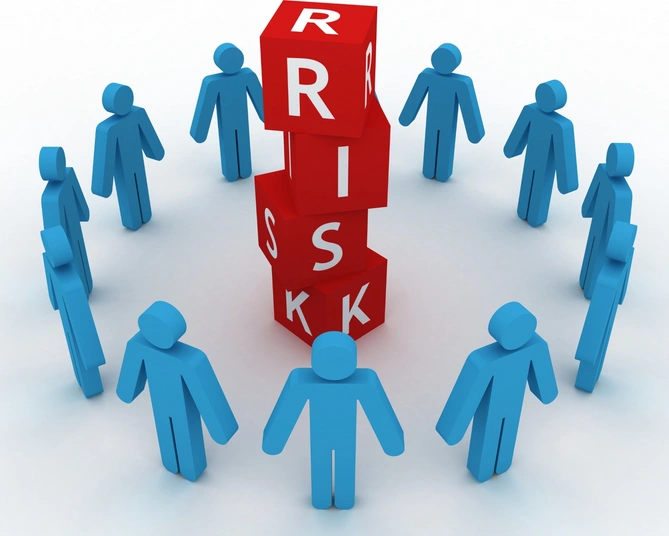
How to Identify and Mitigate Risks
In today’s complex and highly regulated business environment, effective compliance risk management is a crucial aspect of running a successful organization. Compliance risks refer to the potential for a business to violate laws, regulations, or industry standards, which can result in legal penalties, financial losses, or reputational damage. Effective compliance risk management involves identifying these risks early and taking proactive steps to mitigate them. Here’s a look at how businesses can identify and manage compliance risks to safeguard their operations.
The first step in identifying compliance risks is understanding the regulatory environment in which your business operates. Laws and regulations vary across industries and regions, and they are subject to frequent changes. It’s essential to stay informed about current and emerging regulations, whether they pertain to financial reporting, data protection, labor laws, or anti-money laundering.
Establishing a compliance program that monitors updates to industry regulations is key. Regularly reviewing government publications, legal advisories, and industry news will help you identify potential risks in advance, allowing you to stay ahead of any compliance challenges.
Risk assessments are a crucial tool for identifying compliance risks. Businesses should regularly conduct risk assessments to identify areas of their operations that are most vulnerable to regulatory violations. These assessments should focus on processes, systems, and practices that handle sensitive data, financial transactions, and compliance obligations.
During a risk assessment, evaluate factors such as:
A thorough assessment will help you identify high-risk areas that require attention and ensure that your compliance program addresses the most critical risks.
Once risks are identified, implementing internal controls is crucial to mitigate them. Strong internal controls can prevent non-compliance by ensuring that policies, procedures, and regulations are consistently followed throughout the organization. These controls may include:
Ensure that your internal controls are both practical and efficient, and regularly audit them to identify any weaknesses or gaps that may expose your business to compliance risks.
Employees play a vital role in ensuring compliance. Providing regular training on compliance matters helps create a culture of responsibility and awareness across the organization. Training should cover:
By educating your staff and ensuring they understand the importance of compliance, you reduce the likelihood of accidental non-compliance resulting from a lack of knowledge or oversight.
Mitigating compliance risks requires ongoing vigilance. Regularly monitor, audit, and review your compliance efforts to ensure that all areas of the business remain in alignment with regulations. Compliance programs should be dynamic and flexible, allowing for adjustments as new risks or regulations arise.
Performing periodic audits, reviewing compliance reports, and assessing the effectiveness of your controls ensures that potential risks are identified and mitigated in real-time, rather than waiting for them to escalate.
If a compliance risk becomes a reality, it’s essential to have a risk mitigation plan in place. This plan should outline the steps your organization will take to resolve the issue and minimize any negative impact. A robust plan includes:
Having a well-prepared risk mitigation plan will enable your business to respond quickly and efficiently, thereby reducing the severity of any potential compliance breaches.
Compliance risk management is a critical component of every business’s strategy. By understanding the regulatory environment, conducting regular risk assessments, implementing strong internal controls, providing ongoing employee training, and monitoring compliance efforts, businesses can significantly reduce their exposure to compliance risks. Taking a proactive approach to compliance ensures that your company can navigate regulatory challenges while protecting its reputation and financial stability.
#ComplianceRiskManagement #RiskAssessment #InternalControls #EmployeeTraining #ComplianceProgram #BusinessStrategy #RegulatoryCompliance #ComplianceRisks #BusinessProtection #RiskMitigation
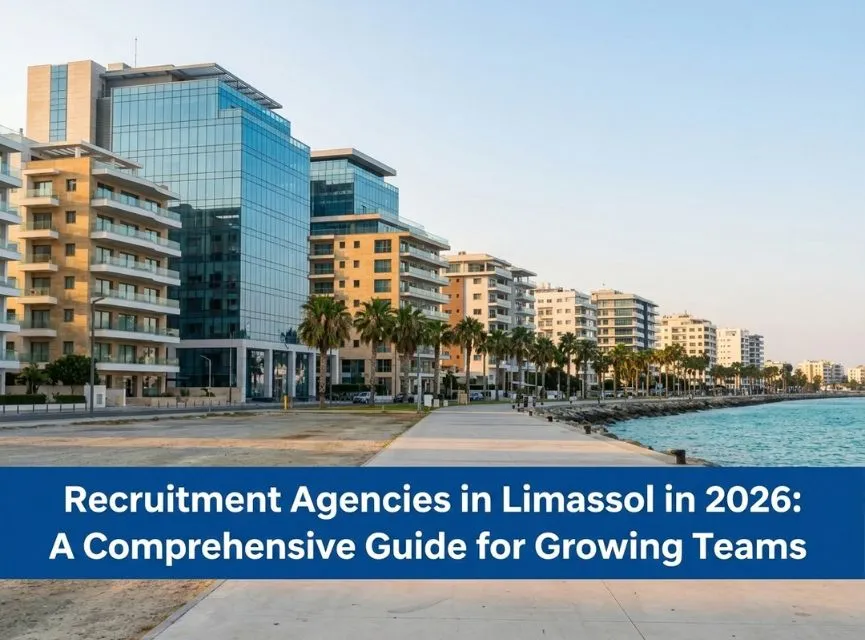
A Comprehensive Guide for Growing Teams Limassol has become the centre of gravity for financial services in Cyprus, with forex...
October 16, 2026

A Comprehensive Guide for Finance and FinTech Employers Cyprus has spent the past decade turning itself into one of the...
October 13, 2026

A Comprehensive Guide to Local Opportunities Looking for part-time jobs in Larnaca in 2026 can be a smart way to...
October 8, 2026